Fatty Liver? This Is How I Finally Took Control – And What Actually Worked
For years, I ignored the warning signs—low energy, a slightly swollen belly, and that nagging feeling something was off. Then my doctor mentioned fatty liver. No drama, just facts: it’s common, silent, and largely reversible. That moment changed everything. I dove into real, science-backed habits—not quick fixes—and slowly rebuilt my health. This isn’t a miracle story. It’s about daily choices that align with true health standards. What started as a diagnosis became a turning point, a chance to reset not just my liver, but my entire approach to well-being. And if you’re reading this, it might be your turning point too.
The Wake-Up Call: Recognizing the Silent Threat
It wasn’t chest pain or a sudden illness that brought me to the doctor—it was fatigue. Not the kind you shake off with extra coffee, but a deep, persistent tiredness that made even simple tasks feel heavy. I’d gained a few pounds around the middle, nothing drastic, but enough to notice my clothes fitting tighter. During a routine physical, my doctor reviewed my blood work and paused. My liver enzymes—ALT and AST—were slightly elevated. Not alarming, but not normal either. That’s when the term was introduced: non-alcoholic fatty liver disease, or NAFLD.
NAFLD means excess fat builds up in the liver cells of people who drink little to no alcohol. It’s now one of the most common liver conditions worldwide, affecting up to one in three adults in developed countries. The liver, a vital organ responsible for processing nutrients, filtering blood, and managing energy, becomes overloaded with fat, impairing its function over time. What struck me most was how silent it is. Most people have no symptoms until the condition progresses. There’s no pain, no flashing red light—just gradual changes that blend into the background of daily life.
Yet the risks are real. If left unchecked, NAFLD can lead to inflammation, scarring (a condition called fibrosis), and in severe cases, cirrhosis or liver failure. The good news? In its early stages, it’s often reversible. The key is early recognition. My diagnosis wasn’t a death sentence—it was a wake-up call. And it’s one more people are hearing as modern lifestyles contribute to rising rates. Poor diet, physical inactivity, and weight gain—especially around the abdomen—are major drivers. The condition is closely linked to insulin resistance and metabolic syndrome, making it not just a liver issue, but a whole-body concern.
What Health Standards Really Say About Liver Health
After the diagnosis, I wanted to understand what was really going on. I looked beyond the label and into what health professionals consider meaningful indicators of liver health. It’s not just about how you feel; it’s about measurable markers. Blood tests for liver enzymes like ALT (alanine aminotransferase) and AST (aspartate aminotransferase) are often the first clue. When liver cells are damaged, these enzymes leak into the bloodstream, causing levels to rise. But here’s the catch: even if your numbers fall within the “normal” lab range, they may not reflect optimal health.
For example, many labs define normal ALT as up to 40 or 50 units per liter. But research suggests that levels above 25 in women and 30 in men may already indicate early liver stress. Imaging tests like ultrasound, FibroScan, or MRI can directly assess fat accumulation and stiffness in the liver, offering a clearer picture. These tools help doctors determine whether someone has simple fatty liver (steatosis) or a more serious form, non-alcoholic steatohepatitis (NASH), which involves inflammation and potential damage.
Equally important are metabolic markers. Blood sugar control, measured by fasting glucose or HbA1c, is closely tied to liver health. Insulin resistance—the body’s reduced ability to respond to insulin—drives fat storage in the liver. Cholesterol levels, particularly high triglycerides and low HDL (the “good” cholesterol), are also red flags. And waist circumference? It’s a simple but powerful indicator. For women, a waist over 35 inches, and for men, over 40 inches, signals increased risk for NAFLD and related metabolic problems.
Medical guidelines, including those from the American Association for the Study of Liver Diseases (AASLD), emphasize that managing fatty liver isn’t just about the liver itself. It’s about improving overall metabolic health. This means addressing the root causes: poor diet, sedentary behavior, and weight. The goal isn’t perfection, but progress—moving the needle on these markers through sustainable lifestyle changes. And that starts with what’s on your plate.
Why Diet Changes First—And Which Ones Actually Stick
If there’s one area that made the biggest difference, it was food. Not a fad diet, not a juice cleanse, but a fundamental shift in what I chose to eat. The first and most impactful change? Cutting out sugary drinks. Soda, sweetened iced tea, even fruit juices—these were daily habits I didn’t think twice about. But liquid sugar, especially fructose, is processed almost entirely by the liver. When consumed in excess, it overwhelms the organ and gets converted into fat. Studies show that high fructose intake is strongly linked to liver fat accumulation. Removing these drinks alone can lead to measurable improvements in liver health within weeks.
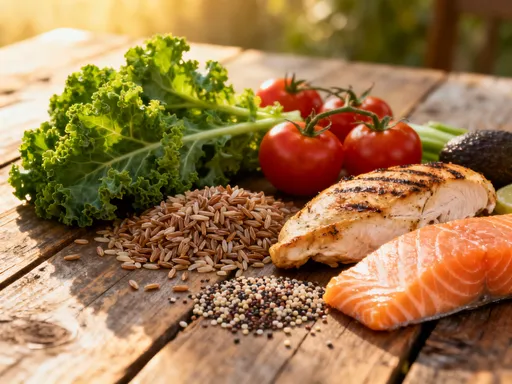
Next came processed carbohydrates—white bread, pastries, packaged snacks. These foods spike blood sugar quickly, increasing insulin levels and promoting fat storage. I began replacing them with whole, unprocessed foods. Vegetables became the centerpiece of my meals. Leafy greens, cruciferous vegetables like broccoli and Brussels sprouts, and colorful peppers provided fiber, antioxidants, and nutrients that support liver detoxification pathways. I also increased my intake of quality protein—eggs, fish, legumes, and lean poultry—which helps maintain muscle mass and supports metabolic health.
Healthy fats, once feared, became allies. I added sources like avocado, olive oil, nuts, and fatty fish rich in omega-3s. These fats reduce inflammation and may help lower liver fat. I learned that not all fat is bad—what matters is the type and context. I didn’t eliminate fruit, but I became mindful of quantity and timing. Whole fruit is fine in moderation, but large amounts of high-sugar fruits, especially in smoothies or juices, can still contribute to liver load.
Alcohol, even in small amounts, can worsen fatty liver. While I wasn’t a heavy drinker, I decided to eliminate it completely during my healing phase. The liver has a remarkable ability to regenerate, but it needs a break. I also explored plant-based eating, not as a strict rule, but as a way to emphasize whole foods. More plants, fewer processed items—that became my mantra. Cravings didn’t vanish overnight, but over time, as my energy improved and my taste buds adjusted, the desire for sugary, processed foods faded. This wasn’t about deprivation; it was about upgrading my fuel.
Movement That Fits Real Life—Not the Gym Obsession
I’ll be honest: the idea of starting an intense workout routine was overwhelming. Between work, family, and daily responsibilities, finding time for the gym felt impossible. But I learned that when it comes to liver health, consistency matters more than intensity. The most powerful form of movement I adopted was also the simplest: walking. Not for weight loss alone, but for its metabolic benefits. Daily walking—30 to 45 minutes most days—became the foundation of my routine.
Walking after meals, especially, made a noticeable difference. It helps regulate blood sugar by increasing insulin sensitivity. When muscles contract during movement, they can take up glucose from the bloodstream without needing as much insulin. This reduces the burden on the liver and prevents excess sugar from being stored as fat. Over time, this consistent activity improved my energy, reduced bloating, and helped shrink my waistline. I didn’t need a fitness tracker to see progress—just the way my clothes fit and how I felt by midday.
I also built movement into my daily rhythm. I took the stairs, parked farther away, and set a timer to stand and stretch every hour. These small shifts added up. Standing breaks reduce prolonged sitting, which is linked to increased visceral fat and insulin resistance. I didn’t aim for perfection—some days were busier than others—but I prioritized showing up, even if it meant a 10-minute walk around the block.
The focus wasn’t on calories burned or steps counted, but on how movement made me feel. I noticed better sleep, improved mood, and a sense of calm. Exercise, even at a moderate level, reduces inflammation and supports liver repair. The goal wasn’t to become an athlete, but to become more resilient. And for anyone juggling a full schedule, that kind of sustainable movement is not only realistic—it’s essential.
Sleep and Stress: The Hidden Players in Liver Repair
As I made changes to my diet and activity, I realized two other factors were silently working against me: poor sleep and chronic stress. I used to stay up late, scrolling through my phone or watching TV, telling myself I was unwinding. But research shows that insufficient sleep—less than 7 hours per night—disrupts hormones that regulate appetite and insulin. It increases ghrelin (the hunger hormone) and decreases leptin (the fullness hormone), leading to cravings and overeating. It also raises cortisol, the stress hormone, which promotes fat storage, particularly in the liver and abdomen.
I decided to prioritize sleep. I set a consistent bedtime, created a calming evening routine—no screens an hour before bed, dimmed lights, maybe some light reading—and made my bedroom a sleep sanctuary. The change wasn’t immediate, but within a few weeks, I was falling asleep faster and waking up feeling more refreshed. My energy during the day improved, and I found it easier to stick to healthy choices.
Stress was trickier. Work deadlines, family demands, and daily frustrations kept my nervous system on high alert. I began practicing simple stress-reduction techniques. Deep breathing—inhaling for four counts, holding for four, exhaling for six—helped calm my mind in moments of tension. I also established daily routines, which provided a sense of stability. A morning walk, a consistent meal schedule, and a digital detox in the evenings created structure and reduced mental clutter.
The connection between stress and liver health is real. Chronic stress leads to sustained high cortisol levels, which increase blood sugar and promote fat accumulation in the liver. By managing stress, I wasn’t just protecting my mental health—I was supporting my liver’s ability to heal. These changes weren’t dramatic, but they were foundational. Healing isn’t just about what you eat or how much you move; it’s about creating an internal environment where repair can happen.
Tracking Progress Without Obsession: What to Measure and What to Ignore
In the beginning, I wanted immediate results. I weighed myself daily, measured my waist every week, and anxiously awaited my next blood test. But I soon learned that obsession with numbers could be counterproductive. Weight fluctuates. The scale doesn’t distinguish between fat, muscle, or water. What mattered more were the subtle, sustainable shifts: more energy, better sleep, improved mood, and a flatter abdomen.
I started paying attention to non-scale victories. My clothes fit better. I wasn’t reaching for snacks by mid-afternoon. I felt more focused at work. These were signs that my body was responding. I still monitored my waistline—measuring at the level of the belly button—because abdominal fat is a key indicator of metabolic health. A reduction of even an inch or two signaled progress, even if the scale didn’t budge.
I scheduled follow-up blood work with my doctor every three to six months. Watching my ALT and AST levels trend downward was encouraging. I also had a repeat ultrasound after a year, which showed a significant reduction in liver fat. But I didn’t let a single test define my journey. I stayed accountable without becoming fixated. I celebrated progress, not perfection.
What I learned to ignore was comparison. Everyone’s body responds differently. Some people see fast results; others take longer. The key is consistency over time. Healing is not linear. There were weekends when I ate more than usual, or days when I skipped a walk. But I didn’t let setbacks derail me. I returned to my habits the next day, knowing that long-term health is built on patterns, not single choices.
Building a Sustainable Routine—And When to Seek Help
The final piece of the puzzle was creating a routine that could last a lifetime. I didn’t want a short-term fix; I wanted lasting change. So I designed a plan that was flexible, realistic, and aligned with my life. I didn’t follow a rigid meal plan, but a set of principles: whole foods first, added sugar minimized, movement daily, sleep prioritized, and stress managed. I allowed room for enjoyment—a piece of dark chocolate, a home-cooked meal with family, an occasional treat—without guilt.
Consistency, not perfection, became my goal. I accepted that holidays, travel, and busy weeks would disrupt my routine. But I learned to get back on track quickly. I packed healthy snacks when traveling, walked in new cities, and made mindful choices even in social settings. I also stayed in touch with my doctor, attending regular check-ups and discussing any concerns. Medical guidance is essential—not just for monitoring, but for reassurance and support.
There are times when lifestyle changes aren’t enough. If liver enzymes remain high or imaging shows progression, further evaluation may be needed. In some cases, medications or specialized care are recommended. But for most people with early-stage NAFLD, the power to reverse the condition lies in daily habits. It’s not about drastic measures, but about making better choices, one day at a time.
Fatty liver was not the end of my health story—it was the beginning of a new chapter. It taught me to listen to my body, respect its limits, and nurture it with intention. It reminded me that health is not a destination, but a continuous practice. And while the journey started with a diagnosis, it led to something far greater: a deeper commitment to living well. If you’re facing a similar wake-up call, know this—your liver can heal. Your body is resilient. And with the right choices, you can take control, one step, one meal, one night of rest at a time.