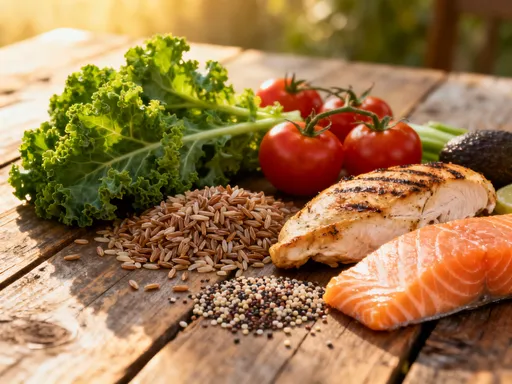
What I Learned About Eating Right – No Hype, Just Real Food Combos That Work
We all want to feel better every day, but nutrition advice can be confusing. After years of trial and error, I discovered that what truly matters isn’t strict diets—but smart, everyday food combinations. This isn’t about perfection; it’s about practical choices that support energy, digestion, and long-term well-being. Here’s what actually works, based on real experience and science-backed habits that fit into real life. The journey to better health doesn’t require expensive supplements or drastic restrictions. It starts with understanding how common foods interact in your body and learning to pair them in ways that make digestion easier, energy more stable, and meals more satisfying. This approach is not about labeling foods as ‘good’ or ‘bad,’ but about creating harmony on your plate.
The Daily Health Struggle: Why Simple Eating Gets Complicated
Many people wake up each day hoping to eat well, only to feel tired, bloated, or mentally foggy by mid-afternoon. They may follow what they believe are healthy habits—eating salads for lunch, avoiding sugar, or drinking green juice—but still struggle with energy crashes or digestive discomfort. The issue often isn’t the individual foods, but how they are combined. For example, a breakfast of scrambled eggs with toast and orange juice may seem balanced, but the combination of high-protein eggs, refined carbohydrates, and acidic fruit can overwhelm the digestive system. The body must produce different enzymes and stomach acid levels to process proteins and starches, and adding acidic fruit on top can slow the entire process, leading to bloating and sluggishness.
This kind of post-meal fatigue is more common than many realize. It’s not a sign of personal failure or weak willpower—it’s a signal from the body that the meal composition may not be supporting optimal digestion. Over time, repeated digestive strain can contribute to chronic low energy, irregular bowel movements, and even nutrient deficiencies, even in people who eat what they believe is a ‘clean’ diet. The confusion often comes from conflicting nutrition messages: one source says to eat protein with every meal, another says to focus on plant-based foods, and another warns against combining fats and carbs. Without clear guidance on how food combinations affect digestion, many well-intentioned eaters end up frustrated and unsure of what to believe.
The truth is, the human digestive system functions best when given meals that are simple and compatible. When food sits too long in the stomach due to poor pairing, it can ferment or putrefy, producing gas and discomfort. This is especially true when combining foods that require very different digestive environments—such as proteins, which need an acidic stomach, and starches, which begin breaking down in the mouth with alkaline enzymes. When these two types of foods are eaten together in large amounts, the body struggles to balance the pH levels needed for efficient digestion. The result is often a feeling of heaviness, fatigue, or bloating after meals. Recognizing this pattern is the first step toward making changes that feel natural and sustainable.
What Are Dietary Combinations—and Why They Matter More Than You Think
Dietary combinations refer to the way different types of foods interact when consumed together. While most nutrition advice focuses on single foods or macronutrients, the reality is that meals are rarely made up of just one thing. What you eat with your chicken, how you prepare your vegetables, and even when you drink water can influence how well your body absorbs nutrients and converts food into energy. The digestive process is a carefully orchestrated sequence of chemical reactions, and certain food pairings can either support or disrupt this process.
For instance, proteins require strong stomach acid for breakdown, beginning digestion in the stomach. Carbohydrates, on the other hand, start being digested in the mouth through the action of salivary amylase, an enzyme that works best in a more alkaline environment. When proteins and starches are eaten together in large quantities—like steak and potatoes or chicken and rice—the body must manage conflicting digestive needs. This can slow digestion, reduce nutrient absorption, and lead to fermentation in the gut, which may cause gas, bloating, and discomfort. While the body can handle some mixed meals, especially in smaller portions, frequent heavy combinations can place ongoing stress on the digestive system.
Fats also play a role in digestion and nutrient absorption. Healthy fats, such as those found in avocado, olive oil, or nuts, can actually enhance the uptake of fat-soluble vitamins like A, D, E, and K. When leafy greens like spinach or kale are eaten with a source of healthy fat, the body can absorb significantly more of these vital nutrients. This is a clear example of food synergy—where the combined effect of two foods is greater than the sum of their parts. On the other hand, eating fat with large amounts of sugar or refined carbohydrates can lead to blood sugar imbalances and increased fat storage, particularly when consumed regularly.
Another important aspect of food combination is timing. The order in which you eat foods during a meal can influence how your body responds. Research has shown that eating fiber-rich vegetables or protein before carbohydrates can help moderate blood sugar spikes. For example, starting a meal with a salad or soup before moving on to grains or starchy foods can lead to better glucose control, especially in individuals managing insulin sensitivity. This simple shift doesn’t require eliminating any foods—just adjusting the sequence. These small but meaningful changes highlight why food combinations matter more than most people realize. They are not about rigid rules, but about working with the body’s natural processes to support better health outcomes over time.
Common Mistakes: What I Used to Get Wrong (And Many Still Do)
For years, I believed that eating a large, balanced meal was the key to staying full and energized. I would often eat grilled fish with a big serving of quinoa and a piece of fruit for dessert, thinking I was doing everything right. But I consistently felt tired and slightly bloated afterward. It wasn’t until I began studying digestion more closely that I realized the problem wasn’t the quality of the food, but the combination. Eating fruit after a full meal was one of my biggest mistakes. Fruit digests quickly—often within 20 to 30 minutes—because it is high in simple sugars. When eaten on top of slower-digesting proteins and starches, it gets trapped in the stomach, where it can ferment and produce gas. This simple oversight was likely contributing to my discomfort.
Another habit I had was drinking cold water during meals. I thought it helped with swallowing and cooling down hot food, but I later learned that cold liquids can constrict digestive organs and slow down enzyme activity. The digestive system works most efficiently when it is warm and active, much like a slow-cooking pot that breaks down ingredients over time. Introducing cold substances can act like pouring water on a fire—it doesn’t extinguish digestion, but it can dampen its effectiveness. Switching to room-temperature or warm water with meals made a noticeable difference in how quickly I felt comfortable after eating.
I also used to pair heavy proteins with large portions of bread or potatoes, believing this was a complete and satisfying meal. While this combination is common in many cultures, it places a heavy burden on the digestive system. The stomach must produce both strong acid for the protein and manage the starch digestion that began in the mouth, creating a less efficient process. Over time, I noticed that meals with either protein or starch as the main focus—rather than both—left me feeling lighter and more alert. I wasn’t eating less; I was simply making better choices about what to combine.
Snacking was another area where I went wrong. I often reached for a yogurt with granola in the afternoon, thinking it was a healthy option. But the combination of dairy, sugar, and processed grains created a rapid rise in blood sugar followed by a crash. I would feel energized for a short time, then sluggish and craving more. By switching to plain yogurt with fresh berries and a few almonds, I not only improved the fat and fiber content but also stabilized my energy. These personal experiences taught me that small changes in food pairing can have a big impact on how we feel throughout the day. The goal isn’t to eliminate enjoyable foods, but to understand how they affect the body and make adjustments that support long-term well-being.
The Power of Pairing: Food Combos That Actually Boost Energy and Digestion
Once I began paying attention to how foods worked together, I discovered combinations that consistently left me feeling energized and comfortable. One of the most effective pairings I adopted was leafy greens with healthy fats. For example, a spinach salad with sliced avocado, olive oil, and lemon juice not only tastes delicious but also enhances nutrient absorption. The fat in avocado and olive oil helps the body absorb carotenoids and other fat-soluble antioxidants from the greens, increasing their health benefits. This simple addition transforms a light salad into a nourishing meal that supports eye health, skin integrity, and immune function.
Another powerful combination is whole grains with legumes. When eaten together—such as brown rice and lentils or barley with chickpeas—they form a complete protein, meaning they provide all nine essential amino acids that the body cannot make on its own. This is especially valuable for those reducing animal protein intake. Unlike animal proteins, this plant-based pairing is typically lower in saturated fat and higher in fiber, supporting heart health and digestive regularity. These meals are also naturally filling, helping to prevent overeating and unnecessary snacking between meals.
Yogurt with berries is another go-to combination that supports gut health. The probiotics in plain, unsweetened yogurt help maintain a balanced gut microbiome, while the fiber and polyphenols in berries feed beneficial bacteria. This synergy promotes a healthy digestive environment, which is linked to improved immunity, mood regulation, and even clearer skin. Adding a small handful of nuts or seeds, such as chia or flax, further enhances the fiber and omega-3 content, making it a well-rounded snack or light meal.
Another effective pairing is lean protein with non-starchy vegetables. Grilled chicken with steamed broccoli, for example, provides high-quality protein and a rich supply of vitamins, minerals, and fiber without overloading the digestive system. The vegetables add bulk and nutrients while being easy to digest, and the protein supports muscle maintenance and satiety. This kind of meal keeps energy levels steady and avoids the crashes associated with high-carb or sugary meals. Over time, meals built around compatible food groups become second nature, making healthy eating feel effortless rather than restrictive.
Building a Balanced Day: A Practical Meal Framework Without Rules
Instead of following rigid meal plans, I developed a flexible daily framework based on timing, balance, and food compatibility. It starts with hydration—drinking a glass of room-temperature water first thing in the morning helps activate digestion and rehydrate the body after sleep. Within an hour, I aim to eat a light, easily digestible breakfast, such as fruit with a small portion of nuts or a smoothie with spinach, banana, and almond butter. This combination provides quick energy from fruit, sustained fuel from healthy fats, and gentle nourishment without overwhelming the digestive system.
For lunch, I focus on a combination of lean protein, non-starchy vegetables, and a small serving of whole grains or legumes. A typical meal might be baked salmon with a large mixed green salad and a quarter cup of quinoa. Eating the salad first, followed by the protein and grains, helps regulate blood sugar and supports efficient digestion. I avoid drinking large amounts of liquid during the meal to prevent diluting stomach acid, opting instead to sip water before or 30 minutes after eating.
Dinner is usually the lightest meal of the day, emphasizing vegetables and plant-based proteins. A stir-fry with tofu, broccoli, bell peppers, and ginger served over a small portion of brown rice fits well within this approach. By keeping the evening meal simple and easy to digest, I notice better sleep and less morning bloating. If I feel hungry between meals, I choose snacks that follow compatible pairing principles—such as apple slices with almond butter, carrot sticks with hummus, or a small bowl of plain yogurt with cinnamon.
This framework isn’t about strict rules or calorie counting. It’s about creating a rhythm that supports the body’s natural processes. By spacing out heavier foods, prioritizing digestion-friendly combinations, and listening to hunger cues, I’ve been able to maintain steady energy, avoid cravings, and feel more in tune with my body. The flexibility allows for occasional meals that don’t follow these guidelines—because perfection isn’t the goal. Consistency over time, not daily perfection, is what leads to lasting health.
Listening to Your Body: How Digestion Tells You What Works
One of the most valuable lessons I’ve learned is that the body provides constant feedback—if we take the time to listen. Digestion is a powerful indicator of whether a meal is working for you. Feeling light, alert, and comfortable after eating usually means the food combination was compatible. On the other hand, bloating, fatigue, gas, or mental fog can signal that something in the meal didn’t agree with your system. These aren’t signs to panic or eliminate entire food groups, but opportunities to observe and adjust.
For example, if you regularly feel sluggish after eating pasta with meat sauce, it may be the combination of starch and protein that’s causing the issue. Trying the same sauce with zucchini noodles or having the meat with a side of roasted vegetables instead might make a noticeable difference. Similarly, if you often feel jittery or hungry soon after breakfast, it could mean your meal is too high in refined carbohydrates and lacks sufficient protein or fat to sustain energy. Small experiments like adding a boiled egg or a spoonful of nut butter can help stabilize your response.
Everyone’s digestive system is unique. Some people tolerate mixed meals well, while others feel best with more separated eating patterns. The key is not to follow a one-size-fits-all approach, but to become curious about your own responses. Keeping a simple food and symptom journal for a few days can reveal patterns—such as which combinations lead to comfort and which lead to discomfort. Over time, this self-awareness becomes a reliable guide, more accurate than any generic diet plan. Health is not about rigid adherence to rules, but about developing a personal understanding of what supports your daily well-being.
Making It Last: Small Changes That Become Lasting Habits
Sustainable health isn’t built on drastic overhauls, but on small, consistent choices that gradually become habits. Trying to change everything at once often leads to frustration and burnout. Instead, I focused on one change at a time—first, drinking water before meals, then learning to pair fruits separately, and later adjusting the order of eating. Each small shift built confidence and made the next change easier. Habit stacking—linking a new behavior to an existing one—helped make these changes stick. For example, after brushing my teeth in the morning, I began drinking a glass of water, which eventually became automatic.
Environment also plays a crucial role. I made sure my kitchen was stocked with whole, unprocessed foods—vegetables, legumes, healthy fats, and quality proteins—so that healthy choices were the easiest choices. Prepping a few components in advance, like washing greens or cooking a batch of lentils, made it simpler to assemble balanced meals during busy days. When social meals or travel disrupted my routine, I practiced flexibility rather than perfection. I learned that one meal doesn’t define my health—consistent patterns over time do.
The journey to better eating is not about chasing trends or achieving an ideal body. It’s about making daily choices that support energy, digestion, and long-term vitality. By focusing on real food combinations that work with the body’s natural processes, I’ve found a way of eating that feels nourishing, sustainable, and deeply personal. It’s not about denying pleasure, but about enhancing well-being through mindful, science-informed choices. Over time, these small decisions add up to a healthier, more vibrant life—one meal at a time.