How I Finally Made Exercise Stick for Weight Management
Living with a chronic condition made weight management feel impossible—until I discovered how the right kind of movement changed everything. It wasn’t about intense workouts or strict routines, but about consistency, mindset, and small wins. This is what actually worked for me, based on real experience and guidance from health professionals. I learned that movement doesn’t have to be punishing to be effective. Instead, it can be gentle, manageable, and deeply healing. The shift wasn’t just physical—it was emotional and mental. Always consult your doctor before starting any new exercise plan; this is about progress, not perfection, and every small effort counts.
The Weight Struggle with Chronic Illness
For many individuals living with chronic health conditions such as arthritis, type 2 diabetes, fibromyalgia, or heart disease, managing weight can feel like an uphill battle fought with invisible resistance. Fatigue, pain, and medication side effects often limit daily activity, creating a cycle where reduced movement leads to weight gain, which in turn worsens symptoms and further decreases mobility. This self-reinforcing loop can be discouraging, even overwhelming. Many people report feeling trapped, as though their bodies are working against them no matter how hard they try. The frustration is real, and it’s compounded by well-meaning but unhelpful advice like “Just exercise more” or “Eat less,” which ignores the complex realities of living with long-term health challenges.
What many don’t realize is that chronic illness often alters metabolism, hormone regulation, and energy availability. Conditions like hypothyroidism or polycystic ovary syndrome (PCOS) directly impact weight, making standard diet and exercise approaches less effective. Inflammation, common in autoimmune disorders, can also interfere with the body’s ability to burn fat efficiently. Recognizing this physiological context is essential. It reframes the struggle not as a personal failing, but as a medical reality that requires thoughtful, individualized strategies. The goal isn’t to “fix” the body through willpower, but to support it with sustainable habits that work with, not against, its limitations.
One of the most powerful shifts in my own journey was redefining exercise. Instead of seeing it as a punishment for eating or a chore to burn calories, I began to view movement as a form of self-care—a way to honor my body and support its healing. This mental shift reduced guilt and shame, which had previously blocked my progress. When exercise is framed as nurturing rather than punishing, it becomes easier to engage with consistently, even on difficult days. Small acts of movement, like stretching in bed or walking to the mailbox, became victories rather than obligations. Over time, this compassionate approach built a foundation of trust between me and my body, making long-term change not only possible but sustainable.
Why Exercise Is Non-Negotiable in Weight Management
While diet plays a significant role in weight management, physical activity is equally critical—especially for those with chronic conditions. Exercise is not just about calorie expenditure; it influences how the body regulates energy, responds to insulin, and maintains muscle mass. For individuals managing conditions like insulin resistance or metabolic syndrome, regular movement helps improve glucose uptake in cells, reducing blood sugar spikes and decreasing the need for medication over time. These benefits go beyond the scale, contributing to better overall metabolic health and reducing the risk of complications such as cardiovascular disease.
Another key benefit of exercise is its role in preserving lean muscle mass during weight loss. When people lose weight through diet alone, they often lose muscle along with fat. This is problematic because muscle tissue burns more calories at rest than fat tissue does. Losing muscle slows metabolism, making future weight maintenance more difficult. Resistance training, even at a gentle level, helps protect muscle and supports a healthier body composition. For older adults or those with mobility issues, maintaining strength is essential not only for weight control but also for balance, independence, and injury prevention.
Additionally, physical activity supports mental and emotional well-being, which indirectly influences weight management. Chronic illness often brings anxiety, depression, or low motivation, all of which can lead to emotional eating or sedentary behavior. Exercise has been shown to reduce stress hormones like cortisol, increase endorphins, and improve sleep quality—factors that collectively support healthier eating patterns and greater resilience. The benefits are cumulative: the more consistently someone moves, the more their body and mind begin to function in harmony. This creates a positive feedback loop where better mood leads to more activity, which in turn supports weight stability and improved health markers.
It’s important to emphasize that these benefits don’t require high-intensity workouts. Even moderate activities like walking, gardening, or water aerobics can produce meaningful improvements in metabolic health. The key is regularity. Health organizations such as the Centers for Disease Control and Prevention (CDC) recommend at least 150 minutes of moderate-intensity aerobic activity per week for adults, along with muscle-strengthening activities on two or more days. However, for those with chronic conditions, starting below these guidelines and gradually building up is not only acceptable but often more effective in the long run.
The Mindset Shift That Changed Everything
For years, I believed that if a workout didn’t leave me drenched in sweat or sore the next day, it didn’t count. I associated exercise with intensity, discipline, and discomfort. This all-or-nothing mindset set me up for failure. On days when I felt unwell or lacked energy, I would skip movement entirely, telling myself I’d “start fresh tomorrow.” But tomorrow often brought the same barriers, and the cycle of guilt and inactivity continued. What finally changed was learning that *any* movement is beneficial. Whether it’s standing up every hour, doing seated leg lifts, or walking around the living room, these small actions contribute to circulation, joint health, and energy regulation.
Letting go of perfectionism was liberating. I stopped measuring success by miles walked or calories burned and began paying attention to how I felt. Did I sleep better? Was I less stiff in the morning? Could I carry groceries without getting winded? These became my new benchmarks. Research supports this approach: studies show that self-efficacy—the belief in one’s ability to succeed—is a stronger predictor of long-term exercise adherence than fitness level or weight loss speed. When people focus on how movement makes them feel rather than how it changes their appearance, they are more likely to stick with it.
This shift also helped me reframe setbacks. Instead of seeing a missed day as a failure, I began to view it as part of the process. Chronic illness means good days and bad days, and expecting consistency without flexibility is unrealistic. On low-energy days, I practiced self-compassion. I reminded myself that rest is not laziness; it’s a necessary part of healing. This compassionate mindset reduced the emotional burden of weight management and made it easier to return to movement without shame. Over time, this gentle, forgiving approach built resilience and made exercise feel less like a chore and more like a gift to myself.
Starting Small: The First Steps That Last
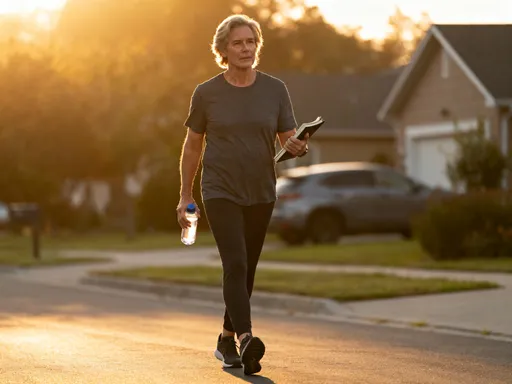
My breakthrough came when I committed to just ten minutes of movement a day. No more, no less. The goal wasn’t to push limits but to build consistency. I started with simple activities: marching in place while watching the news, doing shoulder rolls at my desk, or walking around the block after dinner. These tiny habits required minimal effort but created momentum. The psychological benefit was profound—showing up, even in a small way, reinforced my identity as someone who moves their body regularly.
Tracking progress in a journal helped solidify this habit. I didn’t record calories or weight; instead, I noted what I did, how long I did it, and how I felt afterward. Over time, patterns emerged. I noticed that days I moved, even briefly, were often better in mood and energy. This positive reinforcement made it easier to continue. Journaling also helped me identify obstacles. If I skipped a day, I would reflect: Was I too tired? Was the weather bad? Did I forget? This awareness allowed me to problem-solve rather than self-criticize. For example, if I forgot, I began setting a daily reminder. If fatigue was the issue, I scheduled movement for my highest-energy time of day.
Starting small also protected me from injury and burnout. Many people begin exercise programs with enthusiasm but overdo it early on, leading to pain or exhaustion that derails progress. By keeping expectations low and focusing on sustainability, I avoided this common pitfall. After several weeks of consistent ten-minute sessions, I naturally began to extend the duration. Some days turned into fifteen or twenty minutes, not because I forced it, but because my body began to crave the energy boost. This organic progression felt effortless compared to previous attempts that relied on willpower alone.
Finding the Right Type of Movement
Not all forms of exercise are equally suitable for individuals with chronic conditions. High-impact activities like running or jumping can exacerbate joint pain or increase injury risk, especially for those with arthritis or osteoporosis. The key is to choose low-impact, joint-friendly movements that provide cardiovascular and strength benefits without strain. Swimming, for example, offers resistance training and aerobic conditioning while supporting body weight, making it ideal for those with mobility limitations. Water aerobics classes, available at many community centers, provide social engagement along with physical benefits.
Cycling, whether on a stationary bike or outdoors, is another excellent option. It strengthens the lower body and improves cardiovascular health with minimal joint stress. For those with balance concerns, recumbent bikes offer added stability. Chair-based exercises are particularly valuable for individuals with limited mobility or severe fatigue. These routines can include arm circles, seated marching, leg extensions, and gentle torso twists. Despite their simplicity, they improve circulation, maintain range of motion, and build endurance over time. Many free resources, including videos from reputable health organizations, offer guided chair workouts designed for older adults or those managing chronic illness.
I discovered that variety was essential for long-term adherence. Doing the same routine every day became monotonous and sometimes led to mental resistance. By experimenting with different activities—a walk one day, stretching the next, a short yoga video another—I kept my routine fresh and engaging. I paid close attention to how my body responded. If an activity caused pain or excessive fatigue, I modified or replaced it. This process of trial and adjustment helped me build a personalized movement plan that felt both effective and enjoyable. Over time, this mix of activities became a natural part of my daily rhythm rather than a scheduled obligation.
Building a Routine That Fits Real Life
Rigid exercise schedules failed me repeatedly. Life with a chronic condition is unpredictable—some days are better than others, and energy levels fluctuate. Instead of trying to force a fixed routine, I adopted a flexible approach centered around “movement anchors.” These are consistent, non-negotiable moments in the day dedicated to activity, but with adjustable intensity and duration. For example, I committed to a daily walk, but allowed myself to choose the length and pace based on how I felt. Some days it was ten minutes around the yard; others, it was thirty minutes in the park. The anchor remained the same, but the expression of it changed.
This flexibility reduced guilt and increased follow-through. On busy or painful days, I didn’t abandon movement altogether—I scaled it down. A full workout might become five minutes of stretching. The rule was simple: do something, however small. This “something is better than nothing” philosophy kept me connected to my goal without the pressure of perfection. Over time, these small efforts accumulated into meaningful progress. I also learned to integrate movement into daily tasks: pacing during phone calls, doing calf raises while brushing my teeth, or taking the stairs when possible.
Creating a home-friendly environment supported consistency. I kept resistance bands and a yoga mat in a visible spot, making it easy to start a quick session. I curated a playlist of calming music to pair with stretching, enhancing the sense of ritual. I avoided investing in expensive equipment that gathered dust; instead, I focused on accessible, low-cost tools that matched my actual usage. This practical approach made exercise feel integrated into my life rather than an add-on. As a result, movement became a habit, not a chore—something I did naturally, like brushing my teeth or drinking water.
Staying Motivated Through Setbacks
Progress was not linear. There were weeks when pain flared up, energy dipped, or life demands took priority. During these times, the scale might stall or even creep up, triggering old fears of failure. What kept me grounded was focusing on non-scale victories. I celebrated improvements in function: standing up from a chair without using my hands, walking farther without resting, or sleeping through the night. These achievements, though less visible than weight loss, were deeply meaningful. They signaled that my body was becoming stronger and more resilient, even if the numbers didn’t reflect it immediately.
Support from healthcare professionals played a crucial role. Regular check-ins with my primary care provider ensured my exercise plan remained safe and aligned with my medical needs. I also consulted a physical therapist, who helped me modify exercises to protect my joints and improve form. This professional guidance boosted my confidence and reduced the fear of doing harm. Knowing I had expert support made me more willing to keep going, even during uncertain times. Additionally, connecting with others facing similar challenges, whether through support groups or online communities, provided encouragement and practical tips.
I learned to view rest as part of the process, not a sign of failure. Chronic illness requires listening to the body’s signals. On days when fatigue was overwhelming, I allowed myself to rest without guilt. I reminded myself that recovery is active, not passive—it allows the body to repair, adapt, and grow stronger. This balanced approach prevented burnout and supported long-term adherence. Over time, I developed a deeper understanding of my body’s rhythms and needs, which empowered me to make sustainable choices. Exercise was no longer a battle; it was a partnership.
Conclusion
Managing weight with a chronic condition is not about quick fixes or extreme measures. It’s about building a lifestyle centered on gentle, consistent movement that supports overall well-being. Exercise is not a punishment for eating or a transactional act to burn calories—it’s a powerful tool for improving energy, mood, strength, and quality of life. The journey requires patience, self-compassion, and professional guidance, but lasting change is possible. By starting small, choosing appropriate activities, and embracing flexibility, anyone can develop a sustainable routine. This isn’t just about weight—it’s about reclaiming energy, confidence, and control. Every step, no matter how small, is a step toward a healthier, more vibrant life.