How I Started Healing My Liver Without Medication – A Beginner’s Real Talk
Fatty liver is more common than you think, and I didn’t even know I had it until my doctor mentioned it. Scary, right? But here’s the good news: early-stage fatty liver can often be turned around with simple lifestyle shifts. This isn’t about quick fixes or miracle cures—it’s about real, sustainable body repair. I started small, learned a lot, and saw real changes. Let me walk you through what actually works.
The Wake-Up Call: Recognizing Fatty Liver Symptoms (Even When You Feel Fine)
Many people with fatty liver feel completely fine. There’s no sharp pain, no constant fatigue, no obvious warning sign flashing like a red light. That’s what makes it so dangerous. The condition, known medically as non-alcoholic fatty liver disease (NAFLD), occurs when excess fat builds up in liver cells—often without symptoms in the early stages. It’s easy to ignore, but silent damage can accumulate over years. For many women in their 30s to 50s, especially those managing busy households, stress, and changing metabolism, this condition is more common than ever.
What makes fatty liver particularly concerning is its stealthy progression. Left unchecked, it can lead to inflammation, scarring (a condition called fibrosis), and in severe cases, cirrhosis or liver failure. The good news? When caught early, the process is often reversible. Routine blood tests, such as liver function panels, can reveal elevated liver enzymes like ALT and AST, which signal that the liver is under stress. An abdominal ultrasound can confirm the presence of fat in the liver. These tests are simple, non-invasive, and often part of a standard physical exam—yet many people skip them, assuming they’re healthy because they “feel okay.”
Risk factors include weight gain around the abdomen, insulin resistance, type 2 diabetes, high triglycerides, and a diet high in sugars and processed foods. A sedentary lifestyle adds to the risk, especially when combined with poor sleep or chronic stress. Consider this scenario: a woman in her 40s, juggling work, children, and household duties, relying on quick meals and comfort foods after long days. She may not feel ill, but her body is quietly struggling. Recognizing these patterns isn’t about blame—it’s about awareness. The first step toward healing is understanding that feeling fine doesn’t always mean your body is fine.
Why the Liver Matters: Your Body’s Silent Repair Engine
The liver is one of the most resilient and hardworking organs in the human body. Think of it as your body’s chemical factory—processing nutrients, filtering toxins, regulating blood sugar, and producing proteins essential for blood clotting and immune function. It operates quietly in the background, asking for little but delivering much. When fat begins to accumulate, this finely tuned system starts to falter. Fat-laden liver cells become less efficient at their jobs, leading to a ripple effect throughout the body.
One of the liver’s most vital roles is in metabolism. After you eat, the liver helps manage how carbohydrates, fats, and proteins are used or stored. When you consume too much sugar or refined carbohydrates, the liver converts the excess into fat. Over time, if this fat isn’t burned off, it begins to settle in the liver itself. This process is closely linked to insulin resistance, a condition where cells stop responding effectively to insulin, the hormone that helps glucose enter cells for energy. As insulin resistance worsens, the liver produces more glucose and stores more fat, creating a harmful cycle.
Another crucial function is detoxification. The liver breaks down medications, alcohol, and environmental toxins so they can be safely eliminated. But when it’s overloaded with fat, its ability to detoxify declines. This doesn’t mean you’ll suddenly feel poisoned—it means your body’s internal cleanup crew is working with reduced capacity. Over time, this can contribute to fatigue, brain fog, and increased inflammation. The liver also plays a key role in hormone balance, particularly in metabolizing estrogen and other steroid hormones. For women navigating perimenopause or hormonal shifts, a sluggish liver can subtly affect mood, energy, and weight management.
Healing the liver isn’t just about avoiding disease—it’s about supporting overall vitality. When the liver functions well, digestion improves, energy levels stabilize, and the body’s natural repair processes run more smoothly. Reversing fatty liver isn’t optional for long-term health; it’s a necessary investment in your body’s ability to thrive.
Food Shifts That Actually Work: Ditching Sugar and Refined Carbs
Diet is the most powerful tool in reversing fatty liver. While medications are sometimes prescribed for advanced cases, lifestyle changes—especially in eating habits—can make a significant difference in early stages. The biggest culprit? Added sugars and refined carbohydrates. These are found in obvious places like sodas, candies, and desserts, but also in less obvious ones like flavored yogurts, breakfast cereals, sauces, and packaged snacks. The average American consumes far more sugar than recommended, and much of it ends up in the liver.
When you eat sugar—especially fructose, a type of sugar found in table sugar and high-fructose corn syrup—the liver is the primary organ responsible for processing it. Unlike glucose, which can be used by nearly every cell in the body, fructose is metabolized almost entirely in the liver. When consumed in excess, fructose is converted into fat through a process called de novo lipogenesis. Over time, this leads to fat buildup in liver cells. Refined carbohydrates like white bread, white rice, and pastries behave similarly—they break down quickly into glucose, spiking insulin levels and promoting fat storage.
The solution isn’t extreme restriction or deprivation. It’s about making consistent, sustainable shifts. Start by reading labels and identifying hidden sugars. Terms like “high-fructose corn syrup,” “agave nectar,” “fruit concentrate,” and “evaporated cane juice” are all forms of added sugar. Gradually reduce sugary drinks—swap soda for sparkling water with a splash of lemon, or sweetened tea for herbal varieties. Choose whole fruits instead of fruit juices; the fiber in whole fruit slows sugar absorption and supports satiety.
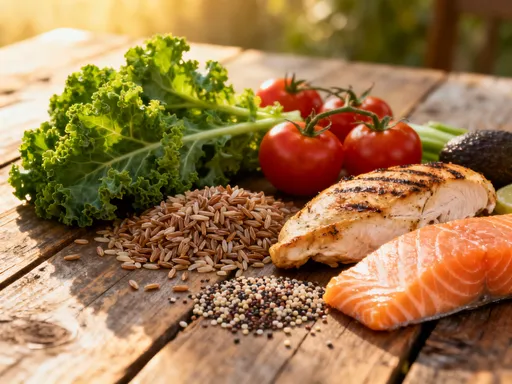
Replace refined grains with whole grains like oats, quinoa, brown rice, and whole wheat. These have more fiber, which helps regulate blood sugar and keeps you fuller longer. Increase your intake of non-starchy vegetables—broccoli, spinach, zucchini, peppers, and leafy greens—which are low in calories and high in nutrients. Include healthy fats from sources like avocados, nuts, seeds, and olive oil. These support liver health by reducing inflammation and improving cell membrane function. Prioritize lean proteins such as chicken, turkey, fish, beans, and lentils, which help maintain muscle mass and support metabolic health.
One effective strategy is the plate method: fill half your plate with vegetables, one-quarter with lean protein, and one-quarter with whole grains or starchy vegetables. This simple visual guide helps balance meals without calorie counting. Cooking at home more often gives you control over ingredients and portion sizes. Meal planning—even just a few days ahead—can reduce reliance on convenience foods. The goal isn’t perfection; it’s progress. Small, consistent changes in eating habits can lead to measurable improvements in liver health over time.
The Right Way to Move: Exercise Without Overdoing It
Physical activity is another cornerstone of liver healing, but you don’t need to run marathons or spend hours in the gym. For many women balancing family and work, the idea of intense workouts can feel overwhelming or unrealistic. The good news is that moderate, consistent movement is what matters most. Exercise improves insulin sensitivity, helps burn stored fat—including liver fat—and supports overall metabolic health.
Walking is one of the most accessible and effective forms of exercise. Just 30 minutes a day, five days a week, can make a difference. Whether it’s a morning walk before the household wakes up, a lunchtime stroll, or an evening walk with family, the key is consistency. If you’re new to exercise, start with 10 or 15 minutes and gradually build up. The goal is to move your body regularly, not to push yourself to exhaustion. Over time, you may add light resistance training—using body weight, resistance bands, or light dumbbells—to build muscle. Muscle tissue burns more calories at rest than fat, so increasing muscle mass can boost metabolism.
Exercise doesn’t have to be structured to be beneficial. Daily activities like gardening, cleaning, or playing with children count as movement. The important thing is to reduce sedentary time. Sitting for long periods, especially after meals, can worsen insulin resistance. Try to stand up and move for a few minutes every hour. Simple habits like parking farther away, taking the stairs, or doing a few stretches during TV commercials add up.
Research shows that both aerobic exercise and resistance training can reduce liver fat, even without significant weight loss. A study published in the journal *Hepatology* found that just 150 minutes of moderate-intensity exercise per week led to measurable reductions in liver fat over several months. The benefits go beyond the liver—regular movement improves sleep, reduces stress, and enhances mood. The key is finding activities you enjoy and can sustain over time. This isn’t about short-term effort; it’s about building a lifelong habit of movement that supports your health.
Sleep, Stress, and Hormones: The Hidden Triggers
While diet and exercise are often the focus, sleep and stress play a powerful, often overlooked role in liver health. Poor sleep and chronic stress can disrupt hormones that regulate metabolism, appetite, and fat storage. Cortisol, the primary stress hormone, increases blood sugar and promotes fat accumulation, especially in the abdominal area and liver. When cortisol levels stay elevated due to ongoing stress or lack of sleep, it becomes harder for the body to regulate insulin and burn fat effectively.
Sleep is a time of repair and regeneration. During deep sleep, the body clears out toxins, balances hormones, and restores energy. When sleep is disrupted—whether from insomnia, sleep apnea, or late-night screen use—the liver doesn’t get the downtime it needs to function optimally. Studies have linked short sleep duration (less than six hours per night) with increased risk of fatty liver, independent of body weight. This means even someone at a healthy weight can develop liver issues if they’re not sleeping well.
Improving sleep hygiene can make a real difference. Aim for 7 to 9 hours of quality sleep each night. Create a calming bedtime routine—turn off screens an hour before bed, dim the lights, and engage in relaxing activities like reading or gentle stretching. Keep your bedroom cool, dark, and quiet. Avoid caffeine in the afternoon and large meals close to bedtime. If you struggle with sleep, consider speaking with a healthcare provider to rule out underlying conditions like sleep apnea.
Stress management is equally important. Chronic stress—whether from work, family, or financial pressures—can silently harm your health. Simple practices can help lower cortisol and support liver function. Mindful breathing, even for just a few minutes a day, can activate the body’s relaxation response. Try inhaling slowly for four counts, holding for four, and exhaling for six. Short breaks in nature, even a few minutes in a garden or park, can reduce stress and improve mood. Journaling, listening to calming music, or practicing gratitude can also help shift your mental state. These aren’t quick fixes, but they are powerful tools for long-term well-being.
Tracking Progress: What to Watch Beyond the Scale
When working to heal your liver, the scale can be misleading. Weight loss is often a goal, but it’s not the only—or even the most important—measure of progress. Some women may lose inches or feel better without seeing major changes on the scale. That’s normal. Muscle is denser than fat, and as you build strength and improve metabolism, your body composition may shift even if the number stays the same.
Non-scale victories are powerful indicators of improvement. Many women report increased energy, better digestion, reduced bloating, and improved sleep within weeks of making lifestyle changes. Clothes may fit more loosely, or you might find it easier to keep up with daily activities. These changes matter. They reflect real improvements in how your body is functioning.
The most reliable way to track liver health is through medical follow-up. After making lifestyle changes for several months, your doctor may repeat liver function tests and an ultrasound to see if liver fat has decreased. Improvements in ALT and AST levels, along with better cholesterol and blood sugar numbers, are strong signs that your efforts are paying off. Don’t expect overnight results—liver repair takes time. Patience and consistency are key.
It’s also important to avoid comparing your journey to others. Everyone’s body responds differently. Some may see changes quickly; others may need more time. The goal isn’t perfection—it’s progress. Celebrate small wins, stay committed to healthy habits, and trust the process. Healing is not linear, but each positive choice builds toward long-term health.
Putting It All Together: A Simple Daily Routine for Liver Repair
Healing your liver doesn’t require a complete life overhaul. It’s about making small, consistent choices that add up over time. Here’s a realistic daily routine that integrates the key elements of liver support:
Start your morning with a glass of water and a few minutes of mindful breathing. This helps rehydrate your body and sets a calm tone for the day. For breakfast, choose a balanced meal—oatmeal with berries and nuts, or scrambled eggs with spinach and whole grain toast. Avoid sugary cereals or pastries. Mid-morning, take a short walk or stretch break, especially if you’ve been sitting.
Lunch could include a salad with leafy greens, grilled chicken or beans, avocado, and a vinaigrette made with olive oil. Pack leftovers from a healthy dinner, or prepare simple meals in advance. Afternoon snacks might be an apple with almond butter, a handful of walnuts, or Greek yogurt with cinnamon. Stay hydrated with water, herbal tea, or infused water throughout the day.
In the afternoon, move your body—take a 20- to 30-minute walk, do a short home workout, or play actively with your children. Even light movement helps regulate blood sugar and supports fat burning. For dinner, focus on lean protein, plenty of vegetables, and a small portion of whole grains. Try grilled fish with roasted vegetables, or a stir-fry with tofu and broccoli over brown rice.
In the evening, wind down with a screen-free routine. Spend time reading, journaling, or talking with family. Avoid heavy meals late at night. Aim to go to bed at a consistent time, creating a calm environment for sleep. If stress is high, try a short breathing exercise or listen to soothing music.
Remember, this isn’t about being perfect every day. It’s about building habits that support your health over the long term. Always consult with your healthcare provider before making significant changes, especially if you have existing health conditions. They can help monitor your progress and offer personalized guidance.
Healing your liver is one of the most important things you can do for your overall well-being. It’s not just about avoiding disease—it’s about feeling stronger, more energized, and more in control of your health. You don’t need extreme measures or expensive treatments. With small, sustainable changes in diet, movement, sleep, and stress management, real healing is possible. Your liver has been working for you every day—now it’s time to return the favor.