How I Fight Hair Loss with Just 10 Minutes of Daily Movement
Hair thinning used to stress me out—until I discovered how much exercise plays a role. It’s not just about products or routines; blood flow, stress, and hormones matter deeply. I started small, just simple daily movements, and within weeks, shedding slowed. This isn’t magic, it’s science. Let me walk you through how a quick, realistic exercise plan can support stronger, healthier hair—naturally and sustainably.
The Hidden Link Between Exercise and Hair Health
Hair growth is more than skin deep—it begins beneath the surface, where circulation, hormones, and inflammation shape the environment of each follicle. One of the most overlooked factors in maintaining healthy hair is consistent physical activity. While many focus solely on topical treatments or supplements, research shows that regular movement supports scalp health by improving blood circulation, balancing key hormones, and reducing systemic inflammation—all of which influence hair retention and regrowth.
Blood flow to the scalp is essential because it delivers oxygen and nutrients to hair follicles, fueling their growth cycle. When circulation is poor, follicles may become undernourished, leading to weakened strands and increased shedding. Exercise naturally enhances cardiovascular function, encouraging blood to reach even the most distant capillaries—including those in the scalp. Even mild activity increases heart rate and promotes vasodilation, allowing more nutrient-rich blood to nourish hair roots.
At the same time, exercise plays a critical role in regulating hormones linked to hair loss. Dihydrotestosterone (DHT), a derivative of testosterone, is known to shrink hair follicles in genetically predisposed individuals, contributing to pattern hair loss. While exercise does not eliminate DHT, certain types of physical activity—particularly moderate aerobic and resistance training—can help maintain hormonal balance, potentially reducing its negative impact. Additionally, physical activity lowers cortisol, the body’s primary stress hormone. Chronically elevated cortisol levels have been associated with telogen effluvium, a condition where hair prematurely enters the resting phase and falls out.
Inflammation is another silent contributor to hair thinning. Low-grade, chronic inflammation can disrupt the hair growth cycle and damage follicles over time. Regular movement helps modulate the immune system and reduce inflammatory markers such as C-reactive protein. This creates a more favorable environment for hair to thrive. However, it’s important to note that while lifestyle choices like exercise can influence hair health, they do not override genetics. Instead, they serve as supportive tools that work alongside medical treatments and proper diagnosis.
Ultimately, physical activity should be seen as part of a holistic approach to hair wellness. It cannot reverse advanced genetic hair loss on its own, nor can it compensate for underlying medical conditions like thyroid disorders or nutritional deficiencies. But when combined with professional care, a balanced diet, and stress management, exercise becomes a powerful ally in preserving hair strength and density. The goal is not perfection but consistency—small, sustainable actions that support the body’s natural ability to maintain healthy hair over time.
Why Quick, Consistent Movement Works Better Than Intense Workouts
When it comes to supporting hair health, more exercise is not always better. In fact, excessive or high-intensity workouts—especially without adequate recovery—can backfire, increasing stress on the body and potentially worsening hair loss. This paradox occurs because intense physical strain can elevate cortisol levels and trigger oxidative stress, both of which are linked to hair shedding. For individuals already experiencing thinning, pushing too hard at the gym may do more harm than good.
The key lies in balance. Moderate, consistent movement supports hormonal equilibrium without overtaxing the body. Unlike prolonged endurance training or extreme fitness regimens, gentle daily activity helps regulate cortisol, improves circulation, and enhances overall well-being—all of which benefit hair. The focus should be on sustainability rather than intensity. A 10- to 15-minute routine done every day is far more effective in the long run than an hour-long workout done once a week.
For many women, especially those managing busy households or full-time jobs, finding time for long workouts can feel overwhelming. That’s why short, manageable routines are not only practical but also more likely to become lasting habits. The concept of habit stacking—pairing a new behavior with an existing one—can make this even easier. For example, doing a few neck rolls while brushing your teeth or marching in place during a morning coffee break turns idle moments into opportunities for movement.
Consistency also allows the body to adapt gradually. Sudden spikes in physical activity can shock the system, leading to temporary hair shedding known as telogen effluvium. By contrast, regular, low-impact movement provides steady support to the circulatory and endocrine systems, creating a stable environment for hair growth. Over time, these small efforts accumulate, contributing to improved scalp health and reduced shedding. The goal is not to achieve peak fitness but to nurture the body’s internal conditions so that hair has the best possible chance to grow strong and resilient.
The 10-Minute Scalp-Boosting Routine: What Actually Works
You don’t need special equipment or a gym membership to support your hair through movement. A simple, effective routine can be done at home, in your living room, or even beside your desk. The following 10-minute sequence combines gentle motions designed to increase blood flow to the scalp, release muscle tension, and calm the nervous system—all of which contribute to healthier hair.
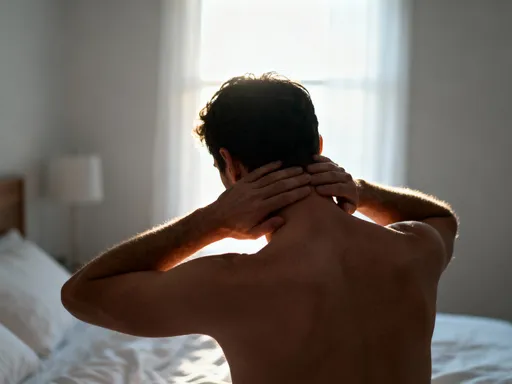
Begin with neck rolls: slowly rotate your head in a circular motion, first clockwise and then counterclockwise. This loosens tight neck muscles, which often store stress and restrict blood flow to the head. Follow this with shoulder shrugs—lifting your shoulders toward your ears and then releasing them down. This relieves tension in the upper back and shoulders, areas where many women carry daily stress. These small movements may seem minor, but they help open up pathways for circulation to reach the scalp.
Next, incorporate a 2-minute scalp massage. Using your fingertips (not nails), apply light pressure in circular motions across your entire scalp. Focus on the temples, crown, and base of the skull. This direct stimulation increases local blood flow and may help reduce inflammation around follicles. Some studies suggest that daily scalp massage can improve hair thickness over time by promoting a healthier follicular environment.
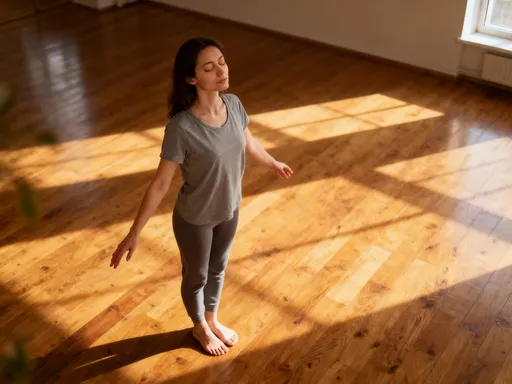
Follow the massage with light cardio: march in place for two minutes, lifting your knees high and swinging your arms. If you have space, add in a set of gentle jumping jacks for 30 seconds to further elevate your heart rate. These movements boost overall circulation, sending oxygen-rich blood to the scalp. Finish with deep breathing: inhale slowly through your nose for four counts, hold for four, and exhale through your mouth for six. Repeat five times. This calms the nervous system and lowers cortisol, helping to break the cycle of stress-related hair loss.
Timing matters. Doing this routine in the morning can energize your body and set a positive tone for the day. Performing it in the evening can help you unwind and transition into restful sleep, which is also crucial for hair recovery. The most important factor is consistency. Whether you choose morning or night, doing this sequence daily—even on days when you feel too tired—builds momentum and reinforces the habit. Over time, many women report noticing less shedding, a healthier scalp sensation, and even improved hair texture.
Yoga and Stretching: Gentle Paths to Stronger Hair
Yoga offers a unique combination of physical and mental benefits that directly support hair health. While full inversions like headstands may not be suitable for everyone, certain gentle poses encourage blood flow to the head without strain. Forward folds, for example, position the heart above the head, allowing gravity to assist circulation. The seated forward bend (Paschimottanasana) and standing forward fold (Uttanasana) are accessible to most fitness levels and can be held for 30 to 60 seconds to maximize their effect.
Child’s pose (Balasana) is another excellent choice. This resting posture gently stretches the back and shoulders while promoting relaxation. As you rest your forehead on the mat, the slight pressure can stimulate the scalp and encourage blood flow. Paired with slow, deep breathing, this pose helps activate the parasympathetic nervous system—the body’s “rest and digest” mode—which counteracts the effects of chronic stress.
Seated spinal twists also play a valuable role. These poses release tension stored in the spine and shoulders, areas often affected by poor posture and daily stress. By improving spinal mobility and circulation in the upper body, twists indirectly support scalp health. Neck stretches—such as gently tilting the head side to side or bringing the ear toward the shoulder—further relieve tightness and improve range of motion.
Practicing just 5 to 7 minutes of yoga daily, especially before bedtime, can yield cumulative benefits. The combination of improved circulation, reduced muscle tension, and lower cortisol levels creates an optimal internal environment for hair growth. Unlike high-intensity workouts, yoga emphasizes mindfulness and breath awareness, helping women reconnect with their bodies and reduce the emotional burden that often accompanies hair loss. Over time, this holistic approach not only supports hair but also enhances overall well-being.
Cardio That Cares: Low-Impact Options for Hair Support
Cardiovascular exercise is a cornerstone of systemic health, and its benefits extend to hair. Activities like walking, stair climbing, and cycling improve heart function, enhance circulation, and support capillary strength—all of which are essential for delivering nutrients to hair follicles. The key is choosing low-impact options that can be sustained over time without triggering stress responses.
Walking is one of the most accessible and effective forms of cardio. A 20- to 30-minute walk, whether around the neighborhood or on a treadmill, gently elevates the heart rate and promotes steady blood flow. Unlike sprinting or high-intensity interval training, walking does not spike cortisol levels, making it ideal for women concerned about stress-related shedding. To make it more enjoyable, consider turning walks into social or sensory experiences—take a phone call, listen to a podcast, or enjoy the sights and sounds of nature.
Stair climbing is another excellent option, especially for those with limited time. Climbing just a few flights of stairs several times a day can significantly boost circulation. It engages major muscle groups and increases heart rate without requiring special equipment. Similarly, cycling—whether on a stationary bike or outdoors—provides a smooth, joint-friendly workout that supports cardiovascular health and overall endurance.
The goal is not to push limits but to stay consistently active. Pairing cardio with daily habits increases adherence. For instance, parking farther from store entrances, taking the stairs instead of the elevator, or scheduling walking breaks during work hours all contribute to better circulation. Over time, these small choices add up, supporting not only hair health but also energy levels, mood, and long-term wellness. The message is clear: movement doesn’t have to be intense to be effective. Gentle, regular cardio is a sustainable way to nourish your body—and your hair—from the inside out.
Putting It All Together: A Realistic Weekly Plan
Creating a sustainable routine means designing a plan that fits your life, not one that demands perfection. The following sample week integrates the principles discussed—scalp stimulation, gentle stretching, light cardio, and stress reduction—into manageable daily blocks of 10 to 15 minutes. The goal is consistency, not intensity, and each session can be adjusted based on energy levels and schedule.
On Monday, start with the 10-minute scalp-boosting routine: neck rolls, shoulder shrugs, scalp massage, marching in place, and deep breathing. Tuesday can focus on yoga—5 minutes of forward folds, child’s pose, and neck stretches before bed. Wednesday, take a 20-minute walk after lunch or during a break. Thursday, repeat the scalp-boosting sequence in the morning. Friday, spend 7 minutes on seated twists and shoulder rolls while watching the evening news. Saturday, combine a 30-minute walk with light stretching. Sunday, keep it simple: 5 minutes of deep breathing and a gentle scalp massage.
This plan is flexible. If you miss a day, simply resume the next. If you’re short on time, shorten each session rather than skipping it. The emphasis is on building a rhythm that supports long-term hair health. Over weeks and months, many women notice subtle but meaningful changes—less hair in the brush, a stronger root grip, and a healthier scalp sensation. These signs indicate improved follicular support, even if visible regrowth takes longer.
It’s also important to track progress in non-scale ways. Instead of expecting dramatic changes within weeks, focus on how your body feels. Do you have more energy? Is your stress level lower? Are you sleeping better? These improvements, while indirect, are deeply connected to hair wellness. Remember, hair grows slowly—about half an inch per month—so patience is essential. Small, consistent actions compound over time, creating lasting benefits that go beyond appearance.
When to Seek Help: Exercise Is Just One Piece
While daily movement can significantly support hair health, it is not a substitute for medical evaluation. Hair loss can stem from a variety of underlying conditions, including thyroid imbalances, iron deficiency, hormonal fluctuations, and autoimmune disorders. If shedding is sudden, severe, or accompanied by other symptoms like fatigue or changes in skin or nails, it’s important to consult a dermatologist or healthcare provider for a proper diagnosis.
Professional assessment may include blood tests to check hormone levels, nutrient status, and markers of inflammation. Based on the results, a tailored treatment plan can be developed, which may include medications, supplements, or other therapies. Exercise should be viewed as a complementary practice—one that enhances the effectiveness of medical care, not replaces it.
At the same time, embracing physical activity as part of a self-care routine can empower women to take an active role in their health. The journey to stronger hair is not about quick fixes but about making thoughtful, sustainable choices. Each 10-minute movement session is a small act of care—a commitment to nurturing your body, reducing stress, and creating the internal conditions where healthy hair can thrive.
In the end, the most powerful tool is consistency. You don’t need hours of exercise or expensive treatments. Just a few minutes a day, done with intention, can make a real difference. Hair health is a reflection of overall wellness, and by moving your body gently and regularly, you’re not just supporting your hair—you’re honoring your long-term vitality.