How I Finally Learned to Breathe Through the Chaos
Stress isn’t just in your head—it lives in your body, your sleep, your daily choices. I used to feel constantly overwhelmed, until small, intentional shifts changed everything. This isn’t about quick fixes, but real, sustainable changes that fit into real life. If you’re tired of feeling stretched thin, what follows might be exactly what you’ve been missing.
The Breaking Point: When Stress Took Over
For years, I believed stress was a badge of honor. Juggling work deadlines, family responsibilities, and household logistics felt like proof that I was doing it all—doing it right. But slowly, the cost became impossible to ignore. I started waking up in the middle of the night, heart racing, mind spinning through unfinished tasks. My sleep grew shallow, my patience thinner. I snapped at my children over spilled milk, regretted it instantly, and then carried the guilt into the next hour. Headaches became routine. Digestive discomfort followed meals. I was present in body, but emotionally, I felt miles away.
Looking back, the signs were clear: chronic fatigue, irritability, difficulty concentrating, and a growing sense of detachment. These weren’t just bad days—they were symptoms of a nervous system stuck in overdrive. The modern world had trained me to respond to every ping, email, and demand with urgency, blurring the lines between work and home, productivity and presence. There was no off switch. The pace never slowed, and neither did I. I mistook constant motion for success, not realizing that my body was quietly begging for rest.
What finally broke through was a visit to my primary care provider. After routine blood work showed elevated cortisol levels and borderline high blood pressure, she asked a simple question: "When was the last time you truly rested?" I couldn’t answer. That moment was a wake-up call. Stress wasn’t just affecting my mood—it was altering my physiology. And if I didn’t change course, the long-term consequences could be serious. That’s when I began to look not for escape, but for understanding.
What Stress Really Is (And What It Isn’t)
Stress is often misunderstood. It’s not simply a mental state or a sign of weakness. Biologically, stress is the activation of the sympathetic nervous system—the same system that prepares the body to flee from danger. When a threat is perceived, whether real or imagined, the brain triggers a cascade of hormones like adrenaline and cortisol. Heart rate increases, muscles tense, breathing quickens, and non-essential functions like digestion slow down. This is the fight-or-flight response, an evolutionary survival mechanism designed for short-term crises.
The problem arises when this system stays activated for too long. Acute stress—like narrowly avoiding a car accident—can be lifesaving. But chronic stress, the kind that builds from daily pressures like financial worries, relationship strain, or work overload, keeps the body in a prolonged state of alert. Over time, this constant arousal contributes to inflammation, weakened immunity, disrupted sleep, and increased risk for conditions such as hypertension, anxiety disorders, and metabolic syndrome.
One of the most damaging myths about stress is that it’s purely psychological—that if you just "think positive" or "calm down," everything will be fine. This dismisses the very real physical changes happening inside the body. Another common misconception is that stress is always avoidable. The truth is, life will always include challenges. The goal isn’t to eliminate stress entirely—that’s neither possible nor desirable—but to build resilience so that stress doesn’t accumulate and erode well-being. Recognizing stress as a physiological process, not a personal failing, is the first step toward managing it effectively.
Rewiring My Routine: Small Changes, Big Impact
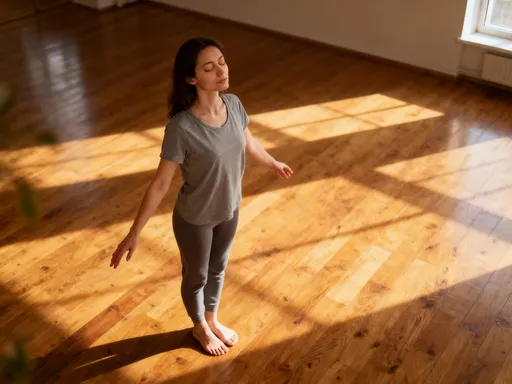
I didn’t start with grand gestures. After learning how deeply stress had taken root, I knew I couldn’t overhaul my life overnight. Instead, I focused on one principle: consistency over intensity. I began with just five minutes a day—time set aside for nothing but breathing. I sat in a quiet corner, closed my eyes, and followed a simple pattern: inhale for four counts, hold for four, exhale for six. At first, my mind raced. I worried I was doing it wrong. But I kept showing up.
Within weeks, those five minutes became an anchor. I noticed that on days I practiced, I responded more calmly to interruptions. My shoulders didn’t creep up toward my ears as often. This practice wasn’t about achieving perfect stillness—it was about creating a pause, a space between stimulus and reaction. Over time, I expanded it to ten minutes, sometimes pairing it with gentle stretching or listening to soft instrumental music. The key was regularity, not duration.
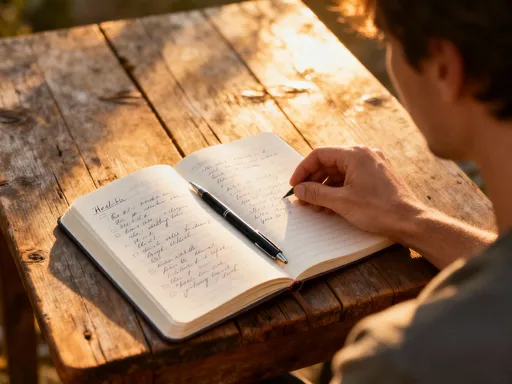
I also restructured my evenings. For years, I’d ended the day scrolling through my phone, absorbing news, social updates, and work emails until my eyes burned. I replaced that with a wind-down ritual: dimming the lights, sipping caffeine-free herbal tea, and writing three things I was grateful for in a notebook. This simple shift signaled to my brain that the day was ending, helping me transition from alertness to rest. These changes didn’t require extra time or money—just intention. And yet, their impact was profound.
Movement That Actually Helps—Not Hurts
For a long time, I associated exercise with intensity. I believed that unless I was drenched in sweat and breathless, I wasn’t doing enough. But after years of pushing myself, I realized that some forms of movement were actually adding to my stress load. High-intensity workouts, especially when already fatigued, can elevate cortisol levels instead of reducing them. I needed movement that restored, not depleted.
That’s when I turned to gentle, mindful motion. I started walking—just twenty minutes a day, often after dinner, with no destination in mind. I focused on the rhythm of my steps, the feel of the air, the sounds around me. This wasn’t about burning calories; it was about reconnecting with my body. I also began incorporating short stretching sessions in the morning and before bed. Even two minutes of rolling my shoulders, releasing tension in my neck, or reaching my arms overhead made a noticeable difference in how I carried myself.
Yoga became another cornerstone. I started with beginner videos—simple poses like child’s pose, cat-cow, and seated forward bends. The emphasis wasn’t on flexibility but on breath and awareness. I learned that movement calms the nervous system not through exertion, but through rhythm, coordination, and mindful attention. Studies show that regular, low-impact movement helps regulate the autonomic nervous system, reducing sympathetic (fight-or-flight) activity and enhancing parasympathetic (rest-and-digest) tone. Even at my desk, I began taking micro-breaks: standing up, stretching my arms, taking three deep breaths. These tiny moments of movement became pockets of calm in a busy day.
Food, Sleep, and the Hidden Stress Triggers
I once thought my diet was fine—until I started paying attention to how certain foods made me feel. I loved my morning latte and afternoon chocolate bar, but I began noticing a pattern: within an hour of consuming them, my heart would race, my thoughts would spiral, and I’d feel jittery, then crash. I didn’t realize that caffeine and sugar were spiking my cortisol and adrenaline, mimicking the very symptoms of stress I was trying to reduce.
Gradually, I shifted toward more balanced choices. I replaced sugary snacks with whole foods—nuts, fruit, yogurt, and vegetables. I prioritized protein and fiber at meals to stabilize blood sugar. I also started drinking more water, recognizing that even mild dehydration can amplify fatigue and brain fog. These changes didn’t turn me into a perfectionist, but they gave me more steady energy and fewer emotional roller coasters.
Sleep was another critical piece. I had long treated it as negotiable—something to sacrifice for productivity. But research shows that poor sleep disrupts the body’s ability to regulate stress hormones. When sleep is fragmented or insufficient, cortisol remains elevated, making it harder to manage emotions the next day. I began practicing sleep hygiene: keeping my bedroom cool and dark, avoiding screens for at least an hour before bed, and setting a consistent bedtime—even on weekends. I also stopped using my bedroom for work or watching TV, reinforcing it as a space for rest. Over time, my sleep quality improved, and with it, my resilience.
Building Boundaries in an Always-On World
One of the hardest but most transformative shifts was learning to say no. For years, I said yes to everything—extra projects, social events, family requests—because I didn’t want to disappoint anyone. But each yes came at a cost: less time for myself, less energy for what truly mattered. I began to see that boundaries weren’t selfish—they were necessary for sustainability.
I started small. I told colleagues I wouldn’t check emails after 7 p.m. At first, I worried about falling behind, but nothing catastrophic happened. In fact, my focus during work hours improved because I knew I had a cutoff time. I also turned off non-essential notifications on my phone. The constant pings had trained me to react instantly, keeping my nervous system on high alert. By silencing them, I reclaimed my attention. I designated certain hours as "no screen" time, especially during meals and the first hour after waking.
Perhaps the most powerful change was creating space between stimulus and response. Instead of reacting immediately to a stressful text or demand, I began pausing—taking three breaths, stepping away for a moment, or saying, "I’ll get back to you on that." This tiny delay allowed me to respond from clarity, not reactivity. I also began scheduling short periods of silence—five minutes of stillness, no input, no output. In a world full of noise, silence became my sanctuary. It wasn’t empty; it was full of presence.
Putting It All Together: My Daily Stress-Resilient Framework
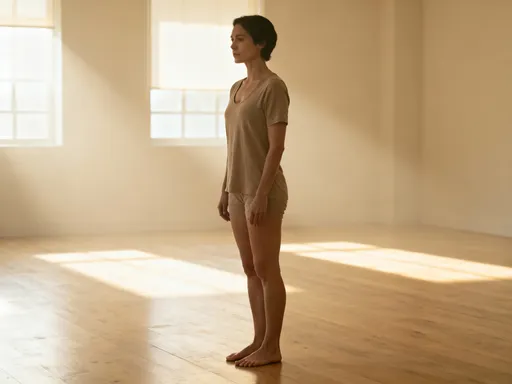
These changes didn’t happen all at once. They accumulated, layer by layer, into a lifestyle that supported calm instead of chaos. Today, my day follows a rhythm that honors my energy and attention. Each morning begins with grounding: I stretch, breathe, and set an intention before touching my phone. This small act sets the tone, reminding me that I’m in charge of my focus, not my inbox.
Midday, I take micro-pauses. Whether I’m at home or running errands, I pause every few hours to check in with my body. Am I holding tension in my jaw? Is my breathing shallow? I take three slow breaths, reset my posture, and reconnect. These moments aren’t luxuries—they’re maintenance, like oiling a machine to keep it running smoothly.
In the evening, I wind down with intention. I light a candle, sip herbal tea, and reflect on the day. Sometimes I journal, sometimes I read, but I avoid screens and stimulation. This transition period helps my nervous system shift from active to restful. Over time, these practices have become automatic, not because I’m disciplined, but because I’ve experienced their benefits. They’re no longer chores—they’re acts of self-respect.
This framework isn’t rigid. Some days are messier than others. But even on chaotic days, returning to one small practice—a few deep breaths, a short walk, a moment of stillness—can recalibrate my system. The goal isn’t to eliminate stress, but to change my relationship with it. I’ve learned that resilience isn’t about toughness; it’s about flexibility, awareness, and care.
Conclusion
Stress doesn’t disappear—but how we relate to it can change completely. These shifts didn’t require drastic overhauls, just awareness and small, daily commitments. Over time, I didn’t just manage stress better—I began living with more calm, clarity, and control. The goal isn’t perfection, but progress. And honestly? I wish I’d started sooner. What I’ve learned is that self-care isn’t selfish—it’s foundational. By tending to my nervous system, my sleep, my boundaries, and my daily rhythms, I’ve reclaimed a sense of agency I didn’t know I’d lost. You don’t need to transform your life in a day. You just need to begin—wherever you are, with whatever five minutes you can spare. Because sometimes, the quietest changes make the loudest difference.