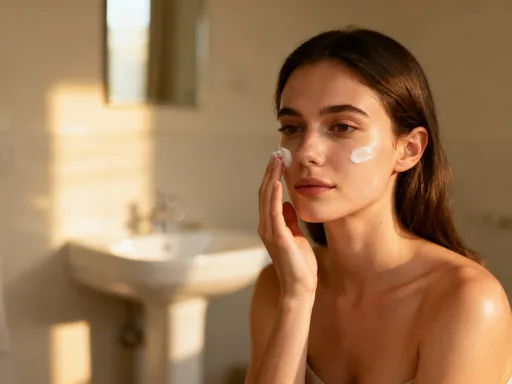
Glow Up Without the Hype: My Real Skin Journey as a Total Beginner
You know that feeling when your skin just won’t cooperate, no matter what you try? I’ve been there—confused, overwhelmed, and spending way too much on products that promised miracles but delivered nada. Turns out, healthy skin isn’t about fancy routines or viral trends. It starts with understanding your habits, your lifestyle, and making small, smart changes. This is the simple, no-BS skincare truth I wish I’d known from day one. It’s not about chasing perfection. It’s about building a relationship with your skin—one built on patience, consistency, and respect for how your body actually works.
The Wake-Up Call: When My Skin Said “Enough”
It started with a mirror moment—one of those mornings when you look at your reflection and don’t recognize yourself. My face was puffy, my complexion uneven, and a cluster of breakouts had taken over my chin. I had tried everything: charcoal masks, peels, serums with unpronounceable ingredients, even a jade roller I kept in the fridge. None of it helped. If anything, my skin felt more sensitive, more reactive. That day, I didn’t just feel frustrated—I felt defeated. I realized I’d been treating my skin like a project to fix rather than a living organ that needed care.
What finally changed was shifting my perspective. Instead of asking, “How can I make my skin look better?” I started asking, “What is my skin trying to tell me?” That small change in mindset opened the door to real progress. I began to see that my breakouts weren’t just random; they often followed sleepless nights or stressful workweeks. The redness and tightness weren’t signs I needed stronger products—they were warnings that I was overdoing it. My skin wasn’t broken. It was responding—appropriately—to how I was treating it.
This moment of clarity wasn’t dramatic. There was no sudden transformation, no magic product revelation. But it was powerful because it was honest. I had spent years chasing quick fixes, believing that the next serum or device would finally give me the clear, glowing skin I wanted. What I learned instead was that lasting skin health doesn’t come from external solutions alone. It comes from internal awareness—paying attention to patterns, honoring your body’s signals, and making choices that support long-term balance, not short-term cover-ups.
Skincare Confusion: Why Beginners Get Lost
If you’ve ever stood in a beauty aisle staring at rows of cleansers, toners, essences, and serums, wondering which one actually matters, you’re not alone. The skincare market is crowded, loud, and often misleading. As a beginner, I was bombarded with messages: “You need ten steps!” “This ingredient is a game-changer!” “Dermatologist-approved!” But no one explained the basics—like what the skin barrier is, why pH balance matters, or how over-cleansing can do more harm than good. I ended up layering too many products, using actives too often, and stripping my skin of its natural protection.
One of the biggest sources of confusion is marketing. Terms like “clean,” “natural,” or “clinical-strength” sound impressive but aren’t always regulated or meaningful. A product labeled “natural” isn’t automatically safer or more effective. In fact, some plant-based ingredients can be highly irritating, especially for sensitive skin. Similarly, “dermatologist-recommended” doesn’t mean it’s right for everyone—it might just mean one study, one brand, or one paid partnership. The truth is, skincare isn’t one-size-fits-all. What works for a 25-year-old with oily skin may not work for a 45-year-old navigating hormonal changes and environmental stressors.
Understanding basic skin biology helped cut through the noise. Your skin is an organ—your largest one—and it has a job to do. It protects you from pollutants, regulates temperature, and retains moisture. The outermost layer, the stratum corneum, acts like a brick wall: skin cells are the bricks, and lipids (fats) are the mortar. When this barrier is strong, your skin holds moisture, keeps irritants out, and functions smoothly. But when it’s compromised—by harsh products, over-exfoliation, or environmental stress—your skin becomes dry, sensitive, and prone to breakouts. Once I understood this, I stopped chasing aggressive treatments and started focusing on support, not assault.
The Mindset Shift: From Quick Fixes to Daily Care
One of the most important changes I made wasn’t about products—it was about mindset. I had to let go of the idea that skincare was about punishment or perfection. I wasn’t failing because I didn’t have glass skin at 35. I wasn’t lazy because I skipped a step sometimes. Skincare, I realized, wasn’t a test. It was a form of daily self-care—a small but meaningful way to show up for myself. And like any habit worth building, it worked best when it was consistent, not intense.
I used to believe that more was better. If one exfoliant was good, two must be better, right? Wrong. I over-exfoliated with acids and physical scrubs, thinking I was “deep cleaning” my pores. Instead, I damaged my barrier, triggered inflammation, and made my acne worse. It took months to recover. What finally helped wasn’t a new product—it was a new approach. I learned that gentle, daily habits—like washing with a mild cleanser, applying moisturizer while skin was damp, and never skipping sunscreen—were more effective than any weekly peel or overnight mask.
Science supports this. The skin renews itself approximately every 28 days, though this slows with age. That means results from healthy habits take time—weeks, not days. There’s no shortcut. But consistency builds resilience. Each time you protect your skin from UV damage, hydrate it properly, or avoid irritants, you’re reinforcing its natural strength. It’s not about dramatic changes. It’s about showing up, day after day, with kindness and awareness. That’s what creates real, lasting improvement—not the promise of overnight transformation.
What My Skin Actually Needed (Spoiler: Less)
After years of trial and error, I discovered that my skin didn’t need a ten-step routine. It needed three core practices: gentle cleansing, daily sun protection, and consistent moisturizing. These aren’t glamorous. They won’t go viral on social media. But they’re the foundation of skin health—and they’re backed by dermatology.
Gentle cleansing means using a product that removes dirt and oil without stripping natural moisture. Harsh soaps or foaming cleansers can disrupt the skin’s pH, which ideally sits around 5.5—slightly acidic. When pH rises, the barrier weakens, bacteria thrive, and irritation increases. A non-foaming, fragrance-free cleanser helps maintain balance. I apply it with my hands, not a brush or sponge, and rinse with lukewarm water. It takes less than a minute, but it sets the tone for the rest of my routine.
Daily sun protection is non-negotiable. UV exposure is the leading cause of premature aging and skin damage—even on cloudy days, through windows, or during short walks. Sunscreen isn’t just for the beach. It’s a daily health habit, like brushing your teeth. I use a broad-spectrum SPF 30 or higher every morning, rain or shine. It prevents DNA damage in skin cells, reduces the risk of discoloration, and slows collagen breakdown. Skipping it, even occasionally, adds up over time. The goal isn’t to avoid the sun entirely—it’s to respect its power and protect yourself accordingly.
Consistent moisturizing completes the trio. Moisturizers don’t just make skin feel soft—they support the barrier. They contain humectants (like glycerin) that draw water in, emollients that smooth roughness, and occlusives (like ceramides) that seal in moisture. I apply mine twice a day, right after cleansing, when my skin is still damp. This simple act prevents dryness, reduces flakiness, and helps my skin recover from daily stressors. It’s not about adding more—it’s about preserving what’s already there.
Lifestyle’s Hidden Role: Sleep, Stress & Hydration
Your skin doesn’t exist in a vacuum. It reflects what’s happening inside your body. No skincare routine can fully compensate for chronic sleep deprivation, high stress, or poor hydration. I used to think of these as separate issues—something for my doctor, not my dermatologist. But the more I paid attention, the clearer the connections became.
Sleep, for example, shows up on your face. When I don’t get enough rest, I wake up with puffiness, dark circles, and a dull tone. That’s because sleep is when your skin repairs itself. Growth hormone levels peak, cell turnover increases, and inflammation decreases. Without adequate rest, this repair cycle slows down. Over time, poor sleep contributes to fine lines, uneven texture, and weakened defenses. I’m not perfect—I still have late nights—but I’ve learned to prioritize a wind-down routine: dimming the lights, putting my phone away, and drinking herbal tea. It’s not a cure-all, but it helps.
Stress is another major player. When you’re stressed, your body produces cortisol, a hormone that increases oil production and inflammation. This can trigger breakouts, especially around the jawline and chin—areas linked to hormonal activity. I noticed this pattern during busy seasons at work or family conflicts. Instead of reaching for spot treatments, I started addressing the root cause: taking short walks, practicing deep breathing, or journaling before bed. These aren’t skincare steps, but they’ve had a bigger impact on my complexion than any serum.
Hydration matters, too—though it’s often oversimplified. Drinking water won’t magically erase wrinkles or cure acne. But chronic dehydration can make skin look dry, tight, and less resilient. I keep a water bottle with me and sip throughout the day. I also eat water-rich foods like cucumbers, oranges, and soups. It’s not about hitting a perfect number of glasses—it’s about staying consistently hydrated so my body, including my skin, can function well.
Building My Routine: Simple, Sustainable, Doable
Today, my routine is simple: a morning and evening sequence that takes less than five minutes each time. In the morning, I cleanse with lukewarm water or a gentle rinse, apply a hydrating serum (containing ingredients like hyaluronic acid), moisturize, and finish with sunscreen. At night, I cleanse again—removing sunscreen and any environmental buildup—apply the same serum, moisturize, and occasionally use a nourishing balm if my skin feels dry.
The key isn’t the products—it’s the consistency. I don’t layer ten actives. I don’t switch routines every month. I stick to what works and adjust only when necessary. For example, in winter, I use a thicker moisturizer and skip any exfoliation. In summer, I focus on lightweight textures and reapply sunscreen if I’m outside for long periods. I also pay attention to how my skin feels, not just how it looks. If it’s tight or irritated, I scale back. If it’s balanced, I maintain.
Tracking progress has changed, too. I used to take daily mirror selfies, obsessing over tiny changes. Now, I check in weekly—under natural light, without filters. I look for overall texture, clarity, and comfort, not perfection. I’ve learned that setbacks happen. A breakout doesn’t mean I’ve failed. It means my body is responding to something—stress, hormones, a new detergent. I address it gently, without panic, and keep going. Skincare isn’t linear. It’s a practice.
Health Consciousness Beyond the Face
What surprised me most about this journey wasn’t clearer skin—it was how much more aware I became of my overall health. Paying attention to my skin made me curious about what I was eating, how much I was moving, and how I was feeling emotionally. I started choosing more whole foods, not because I wanted to “detox,” but because I noticed my energy and complexion improved when I ate more vegetables and less processed sugar.
I also became more mindful of screen time. Long hours on the computer left my eyes tired and my face tense. I started taking breaks, stretching, and using blue light filters. These changes didn’t just help my skin—they improved my focus and mood. I realized that self-care isn’t selfish. It’s necessary. It’s not about meeting impossible beauty standards. It’s about honoring your body’s needs and treating it with respect.
Skincare became a gateway to a broader sense of well-being. Every time I wash my face, apply moisturizer, or put on sunscreen, I’m making a small promise to myself—to show up, to care, to stay consistent. It’s not about looking younger or more put-together. It’s about feeling grounded, capable, and connected to my body. And that, more than any product, is what’s given me the glow I was always searching for.